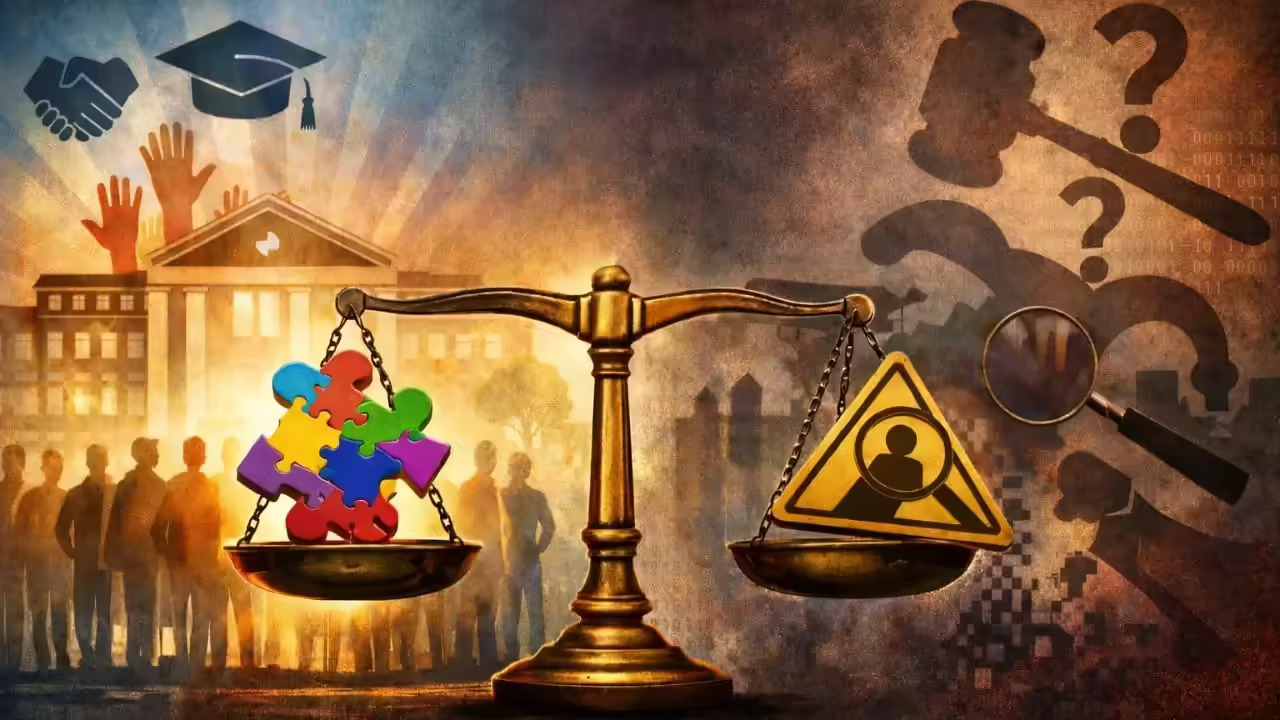
Understanding the Impact of Caste-Based Complaint Rules in Indian Higher Education
Background: The reason why the University Grants Commission introduced the 2026 Equity Regulations is that they wanted to make sure the University Grants Commission regulations are fair for everyone. The University Grants Commission did this to help people understand what the University Grants Commission is doing to make things equal. The University Grants Commission introduced the 2026 Equity Regulations to make a change. The main idea of the University Grants Commission 2026 Equity Regulations is to make things fair and equal, for all people who’re part of the University Grants Commission. This is what the University Grants Commission is trying to do with the 2026 Equity Regulations.
The University Grants Commission has come up with a set of rules called the Promotion of Equity in Higher Education Institutions Regulations, 2026. This is to deal with the problem of caste-based discrimination in colleges and universities. The University Grants Commission wants to make sure that colleges and universities are places for everyone. The University Grants Commission wants students and teachers and staff from all kinds of backgrounds to feel safe and supported at the University Grants Commission institutions.
The new rules from the University Grants Commission are in line with what the country wants for education. The country wants everyone to have a chance to get a higher education. The country wants everyone to be able to go to college and get a job. The University Grants Commission and the country want the thing. Social justice in higher education, at the University Grants Commission institutions.
Key Provisions: Equal Opportunity Centres and Complaint Mechanisms
The new rules say that every institution that the University Grants Commission recognizes must have an Equal Opportunity Centre and an Equity Committee. These groups will take care of complaints about people being treated because of their caste. They will look into these complaints. Suggest what should be done. Every institution must also have a system to deal with complaints and a helpline so people can easily and privately report any problems they have, with the University Grants Commission recognized institutions and the Equal Opportunity Centres.
Supporters’ View: Strengthening Inclusion and Campus Safety
People who support the rules think that these rules are really important to keep students from being treated unfairly and from being bothered. They think that having a system, in place to report and deal with problems will make more students feel comfortable coming forward and will help students trust the people in charge of the school. The people who support the rules say that this policy makes it clear that treating someone unfairly because of their caste is not okay and will not be allowed in schools and colleges. The supporters of the rules believe that the rules will help protect students from discrimination and harassment. The rules are there to make sure that students feel safe and supported.
Critics’ Concerns: Fair Process and Safeguards for the Accused
The idea is to be fair to everyone. Some people are worried that the rules are not good enough. They think the rules do not say what will happen to people who are accused of being mean to others. Education experts and student groups want to make sure that people are treated fairly. They want to know that investigations will be open and honest and that decisions will be based on facts. The people who are accused should have a chance to tell their side of the story and have a hearing. Education experts and student groups think this is very important for the regulations and, for the people who are involved in discrimination cases, like discrimination.
Implementation Challenges for Colleges and Universities
The administrative and financial burden on institutions is another concern. This is especially true for colleges or colleges that do not have a lot of resources. Colleges have to set up committees and train staff. They also have to maintain helplines and manage documentation. All of this requires people and more money. The administrative and financial burden on institutions can be a strain on the budgets and infrastructure that colleges already have. The administrative and financial burden, on institutions is a load for colleges to carry.
Impact on Campus Culture and Academic Freedom
There are also fears that the universities will be watching students and teachers closely and that people will be able to make formal complaints. This is a problem because some teachers think that students and teachers will be too scared to say what they really think in class. The students and teachers may become very careful about what they say during classroom discussions. This could hurt the dialogue and the free exchange of academic ideas, which are really important, for academic growth. Academic growth is very important. It needs open dialogue and the free exchange of academic ideas to happen.
The Road Ahead: Balancing Equity with Transparency and Trust
As the regulations are implemented nationwide, their long-term impact will depend on how effectively institutions balance inclusion with transparency and fairness. Continuous review, stakeholder feedback, and clear communication will be crucial to ensure that the framework remains both just and practical. The coming years will reveal whether these measures strengthen confidence in the higher education system or lead to further calls for refinement and reform.
Do you think these regulations strike the right balance? Join the discussion and cast your vote in our poll.
About the Author